Shared laughter, quiet conversations, and meaningful moments with loved ones. Often, the importance of hearing in these moments goes unnoticed until difficulties arise.
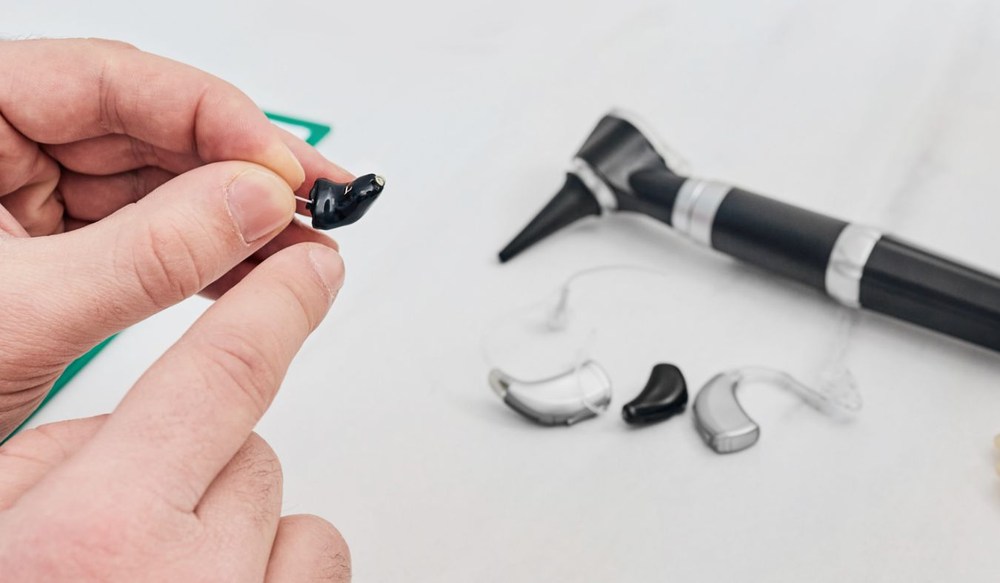
Hearing is more than just detecting sounds; it helps us stay engaged in conversations, feel emotionally connected, and participate fully in life. As hearing care professionals, we recognize that hearing health is not only physical but also emotional, social, and deeply human.

Let’s focus on how hearing cultivates connection and how small choices can enhance daily moments, making them more transparent, richer, and more rewarding.

Why Hearing Matters in Everyday Connection

Everyday conversations convey meaning beyond just words — tone, inflection, and emotion all shape how we understand and connect with others. When hearing is clear, interactions become more natural and engaging. Laughter is more genuine, stories are easier to follow, and subtle emotional cues are less likely to be missed.

But when hearing changes — even slowly — communication can begin to feel more strenuous. People might find themselves:

  • Frequently asking others to repeat themselves
  • Feeling exhausted after group conversations
  • Avoiding noisy social settings
  • Absence of soft sounds or whispered moments

These changes affect more than just sound; they also shape confidence, enjoyment, and emotional bonds. That’s why hearing is vital in how we live, love, and build relationships.

Recognizing Early Signs of Hearing Challenges

Hearing loss often develops gradually, which makes it easy to overlook at first. Instead of sudden changes, people may notice:

  • Difficulty following conversations in noise
  • Turning up the volume on devices louder than before
  • Feeling mentally fatigued after social events
  • Misunderstanding words or needing frequent repetition

What appears to be a distraction or withdrawal indicates your brain is exerting more effort to listen. Recognizing these early signs enables you to make choices that foster improved communication and stronger relationships.

Hearing in Social Settings: What Makes It Harder

Some environments naturally make listening more challenging. Understanding why that happens can help you plan and adapt.

Background Noise

Places like restaurants, gatherings, or busy events combine multiple overlapping sounds. Even people with mild hearing difficulty may struggle to separate speech from noise in these situations.

Soft or Quiet Speech

Romantic, intimate moments often involve softer voices or quiet speech. These can be harder to hear if hearing sensitivity has changed.

Low Light and Visual Cues

Visual cues like lip movement or facial expressions support understanding — especially in low light. When these are limited, our ears have to work harder.

Loud Music and Events

Although music and festivities are enjoyable, noisy settings can cause hearing fatigue or strain, which may hinder communication and lead to long-term sensitivity.

Being aware of what to anticipate allows you to make minor adjustments that improve your experience while still enjoying the event.

Simple Ways to Support Hearing and Communication

Small changes can make conversations feel easier and more enjoyable.

Pick Sound-Friendly Spaces

Choosing environments with less background noise and good acoustics supports clearer listening. Quiet corners or smaller venues often help the most.

Face Your Conversation Partner

Being able to see someone’s face — facial expressions and lip movements — naturally supports understanding and reduces listening effort.

Take Listening Breaks

Conversation takes energy. Stepping into a quieter space or pausing for a moment helps reset your focus and reduces fatigue.

Use Technology to Your Advantage

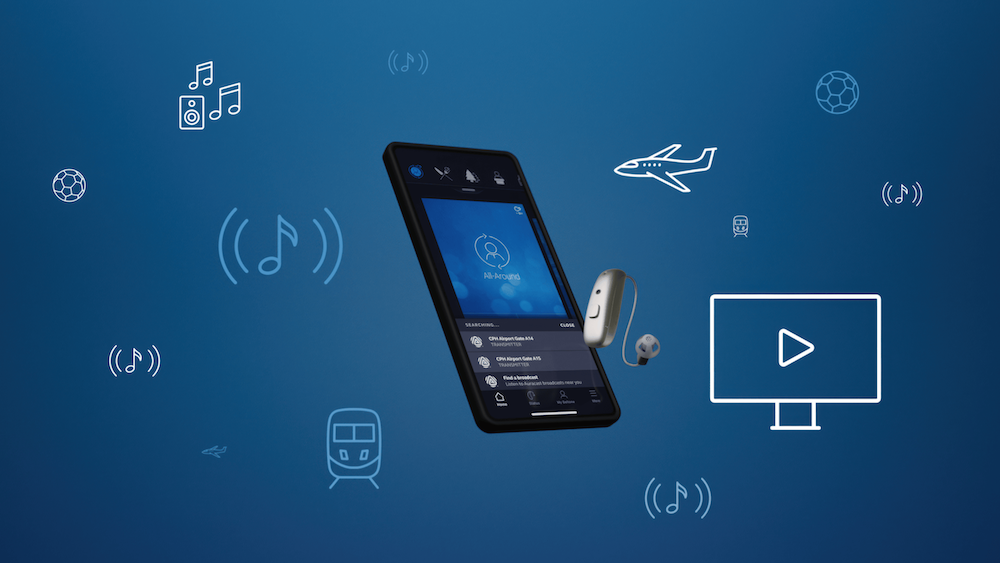
Modern hearing technology — from advanced hearing aids to Bluetooth streaming — can help reduce background noise and improve clarity in different environments.

Protect Your Ears from Loud Sound

Consider limiting exposure to loud environments or using protective hearing gear in high-volume settings. Protecting your hearing today helps preserve it for meaningful moments tomorrow.

When Hearing Affects More Than Just Hearing

Hearing isn’t just a sensory experience — it’s a lifestyle experience. When people struggle to hear, they may begin to:

  • Avoid social gatherings
  • Feel isolated or frustrated
  • Experience stress or fatigue
  • Miss out on parts of conversations

This can affect emotional well-being, confidence, and social involvement — but it doesn’t have to be permanent. Hearing challenges are common and treatable, especially with professional support.

Putting Hearing Care Into Everyday Life

Just like vision checks or regular wellness exams, routine hearing check-ins are an important part of healthy living. Early evaluation and guidance can:

  • Detect subtle changes before they become problematic
  • Provide personalized strategies for communication
  • Support quality of life and emotional connection

If you’ve noticed changes in your hearing — or if someone close to you has — talking with a hearing care professional can offer clarity and direction. The goal isn’t just better hearing; it’s better living.

Ready to Discover Your Best Hearing?

Schedule a hearing evaluation with your local Beltone team — because every moment, heard clearly, matters.