
In The News
Senior Guide 2026
Tinnitus can have a meaningful impact on both work performance and overall well-being, making it harder to concentrate, communicate, sleep, and manage stress throughout the day. For some people, these challenges can reduce productivity and even affect their ability to remain in the workforce. While tinnitus may not have a single cure, professional hearing care and individualized management strategies can help reduce its impact, improve daily function, and allow people to stay more focused, productive, and engaged in their lives.

W.H.O. Report says treating hearing loss can prevent 7% of global dementia cases
Hearing loss does not directly cause dementia, but it can change how the brain processes information and may increase the risk of cognitive decline. Marianne Gaspary of Beltone in Chicago discusses the new World Health Organization guidance that identifies addressing hearing loss with hearing aids as a modifiable factor for dementia risk, with estimates suggesting that addressing hearing loss could help prevent up to 7% of dementia cases worldwide. Protecting hearing throughout life, maintaining healthy habits, and getting a baseline hearing evaluation around age 50 can help identify hearing changes early and provide an opportunity for timely treatment.
Akron OH Women Talk About Life with Tinnitus
Tinnitus can be a constant part of daily life, but it doesn’t have to control it. Through the experiences of Akron-area women living with persistent ringing and other sounds, the story highlights how tinnitus can vary from person to person and the importance of protecting your hearing from excessive noise. While there is currently no cure, strategies such as sound therapy, hearing protection, stress management, and professional hearing care can help people manage symptoms and maintain their quality of life.
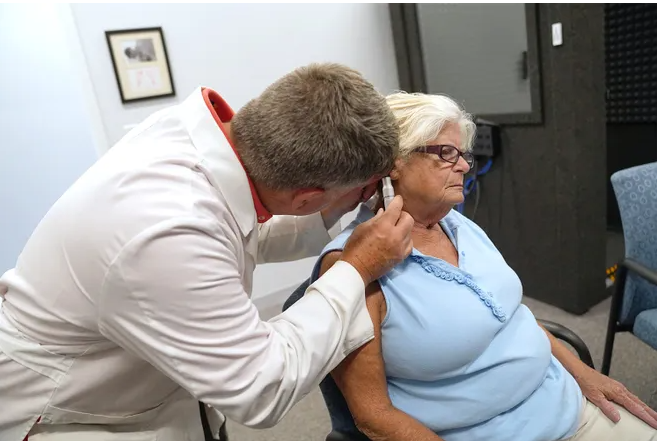
The Connection Between Hearing Loss and Dementia Explained
Untreated hearing loss is increasingly recognized as an important and potentially modifiable risk factor for cognitive decline and dementia. New World Health Organization guidance estimates that addressing hearing loss could help prevent up to 7% of dementia cases globally and specifically recommends hearing aid use for people with documented hearing loss. The message is clear: identifying and treating hearing loss early may not only improve communication and quality of life, but also play an important role in protecting long-term brain health.
Sheffield Healthcare Provider Looks to Combat Dementia by Addressing Hearing Loss
Hearing loss may play an important role in cognitive health, with growing research linking untreated hearing difficulties to an increased risk of cognitive decline and dementia. Hearing care practitioner Ann Marie Goodspeed emphasizes the value of early hearing evaluations and treatment, particularly as people age. By addressing hearing loss sooner, individuals can stay more connected, engaged, and mentally stimulated—making hearing care an important part of supporting long-term brain health and overall quality of life.
Medina Hearing Specialist Urges Testing as Hearing Loss is Linked to Slower Walking
Hearing loss may affect more than communication, with emerging research linking poorer hearing to slower walking speeds and changes in physical function as people age. The findings reinforce the importance of routine hearing testing and early intervention, since identifying and addressing hearing loss can help people remain more aware of their surroundings, socially engaged, and confident in their daily activities. Regular hearing care may be an important part of supporting both healthy aging and long-term independence.
Study: Tinnitus Impacts 1 in 5 People’s Jobs
A recent study found that tinnitus can significantly affect a person’s ability to work. Nearly 1 in 5 people surveyed either reduced their work hours or left their job because of tinnitus, citing difficulty concentrating, communicating, sleeping, and staying productive. The good news is that participants who completed a cognitive behavioral therapy (CBT) program reported improvements in tinnitus symptoms, sleep, mental health, and workplace performance, highlighting the value of early treatment and support.
Ask An Expert: Brian Bessey, Hearing Instrument Specialist
Hearing loss affects far more than just the ability to hear conversations—it has been linked to increased risks of cognitive decline, social isolation, depression, falls, and even dementia. The good news is that early detection and treatment can help reduce these risks while improving communication, confidence, and overall quality of life. Regular hearing evaluations and timely intervention are important steps in protecting both hearing health and long-term brain health.
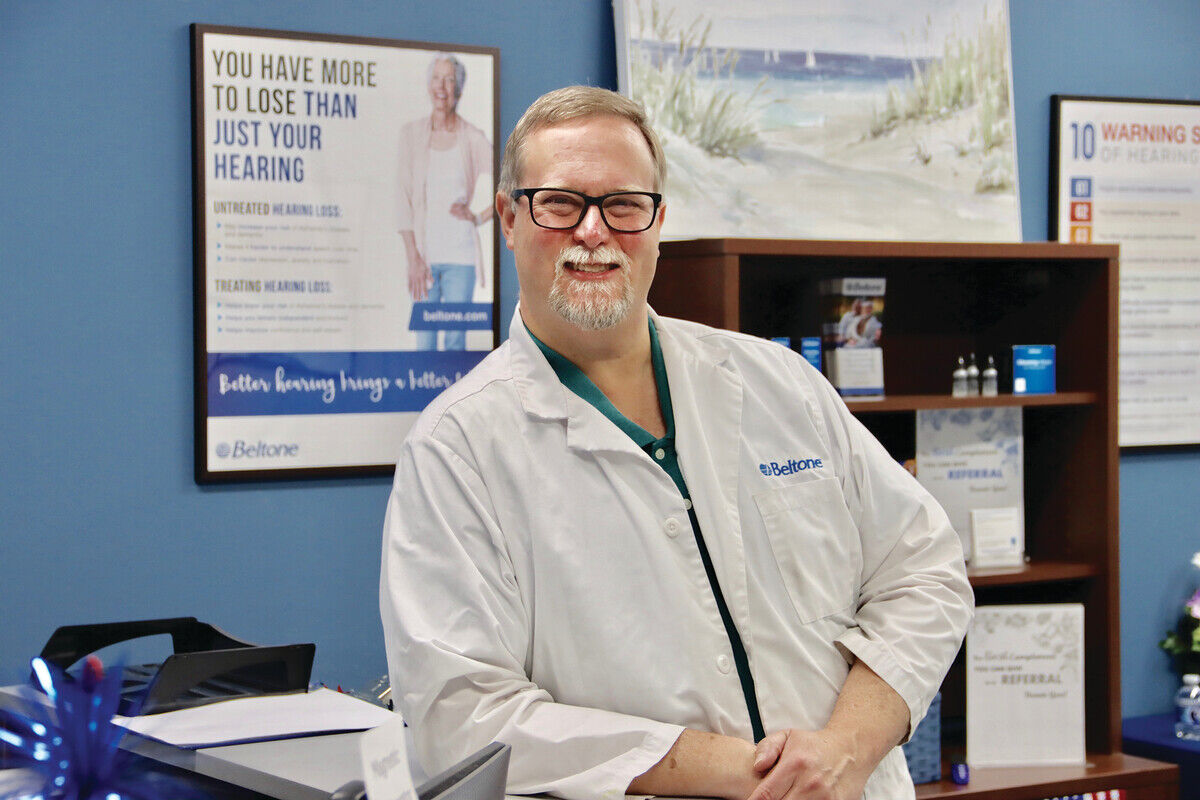
Expert Answers: What Are Your Key Practice Indicators or Benchmarks and How Are They Monitored?
Successful hearing care practices rely on a combination of clinical, operational, and financial benchmarks to understand overall performance. Industry leaders emphasize tracking measures such as revenue per clinical hour, patient conversion and hearing aid return rates, provider schedule utilization, patient retention, and appointment volume. Rather than focusing on any single number, practices can use these KPIs together to identify opportunities, strengthen team performance, improve the patient experience, and support sustainable long-term growth.

Tinnitus and Workplace Performance
A recent study found that tinnitus can significantly affect workplace performance and overall well-being. Many participants reported difficulty concentrating, communicating, and staying productive at work, with nearly one in five reducing their work hours or leaving their jobs because of their symptoms. The good news is that those who completed an evidence-based tinnitus management program experienced improvements in tinnitus severity, sleep, anxiety, and productivity, highlighting the value of early evaluation and effective treatment.
Understanding Tinnitus Impact on Work & Well-being
Tinnitus can have a meaningful impact on both work performance and overall well-being, making it harder to concentrate, communicate, sleep, and manage stress throughout the day. For some people, these challenges can reduce productivity and even affect their ability to remain in the workforce. While tinnitus may not have a single cure, professional hearing care and individualized management strategies can help reduce its impact, improve daily function, and allow people to stay more focused, productive, and engaged in their lives.
Hearing loss can affect balance
Hearing loss can affect more than communication—it may also influence balance, walking speed, mobility, and cognitive health. Recent findings suggest people with hearing loss may move more slowly as they compensate for reduced awareness of their surroundings, potentially increasing fall risk. Routine hearing evaluations and appropriate treatment can improve environmental awareness, confidence, and stability, helping older adults maintain greater mobility, independence, and quality of life as they age.
New study finds nearly 1 in 5 adults with tinnitus reduced work hours or left jobs altogether
Tinnitus can have a serious impact on work performance and overall quality of life, with new research finding that nearly 1 in 5 adults with the condition reduced their work hours or left their jobs altogether. Symptoms such as difficulty concentrating, fatigue, disrupted sleep, stress, and communication challenges can make everyday work increasingly difficult. While there is no cure, hearing technology, sound therapy, lifestyle changes, and other targeted treatments can help reduce symptoms and allow people to regain focus, productivity, and control of their daily lives.
New Study: Group Fitness Classes can Damage your Hearing
A new study that shows group fitness classes’ music volumes can reach 108 decibels (equal to a rock concert). Ben Keeling of Beltone Hearing in Schaumburg discusses why this is dangerous for hearing, what safer levels would be (and at what durations), how noise-induced hearing loss can result, and what Chicago gym-goers can do to reduce the sound impact.
Local Specialist Beth Turek Shares the Go-To Solution for Career-Impacting Tinnitus
A new study reveals the impact tinnitus has among working adults. One in five adults say tinnitus, or “ringing in the ears”, caused them to either cut work hours or quit their job altogether. Beth Turek, a local hearing instrument specialist at Beltone in Rockford, says wearing devices like hearing aids is the go-to therapeutic solution.
Todd Beyer of Marshfield, WI discusses Causes and Treatments of Tinnitus
The effects of Tinnitus can be debilitating for people, and it is very frequently a sign of hearing loss. Tinnitus can affect everyday life, including work productivity. But it is very treatable with hearing devices. Todd Beyer has been treating patients for 27 years in Marshfield, WI, and talks about tinnitus causes and treatments.
Hearing Health and Aging: What Gary Cote Wants You to Know
Audiologist Gary Cote explains the importance for individuals to proactively monitor their hearing and the potential impact this will have on their health as they age. He highlights findings from the Johns Hopkins study of adults who were followed from their mid-60s into their 90s, which demonstrated the importance of regular evaluations for hearing care providers to detect changes in hearing as it continues to decline. You can access the video from Gary Cote to learn more about how to maintain your hearing health through regular hearing evaluations.
The Risks and Rise of Untreated Hearing Loss – Lynne Ryberg of Liverpool, NY
Untreated hearing loss poses a huge risk for future cognitive issues, and is a growing issue, especially among baby boomers. Yearly hearing checks should be just as routine as vision or dental care. It’s important to start getting your hearing tested at an earlier age, the best time is to start in your 40’s. Lynne Ryberg in Liverpool NY talks about the risks of untreated hearing loss, and how it can affect everyday life.
Can Hearing Health Protect Your Brain? Insights from James Blaszkowski with Fox 31 Denver
A newly published study contributes to the growing evidence that hearing loss may increase the risk of dementia, and in this video, James Blaszkowski offers expert opinion. He explains the biological and social factors that may be linked to the connection: increased cognitive load, neurobiological changes, and social isolation resulting from hearing loss. James articulates why timely screening, diagnosis, and appropriate intervention for hearing loss are important to help reduce long-term cognitive decline. Tune in to learn why caring for your hearing is not just about hearing but caring for your brain, too.
The Benfits of AI Hearing Technology – Karen Beyer of Stevens Point, WI
The benefits of AI hearing technology is explained by Karen Beyer, of Stevens Point WI. She talks about how it’s not “scary” to think of AI being used with hearing technology. On the contrary, the AI technology will automatically detect background noise and knock it out, leaving the speech full of clarity for the wearer. Users of AI hearing aids experience less listening fatigue throughout the day as well, allowing them to fully partake in their daily activities with plenty of energy. Listen to the full interview with WAOW here.
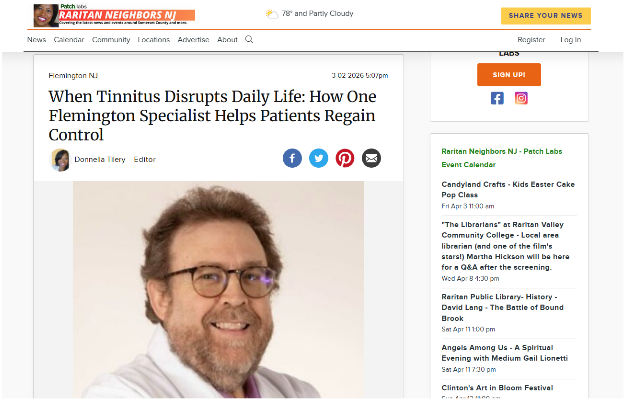
Beltone’s Lynne Ryberg Explains the Crucial Link Between Hearing Care and Brain Health
Hearing aid use may reduce dementia risk in adults under 70, a new study finds. Hearing Care practitioner Lynne Ryberg, from the Beltone in New Hartford, discusses the findings and importance of routine hearing screenings.
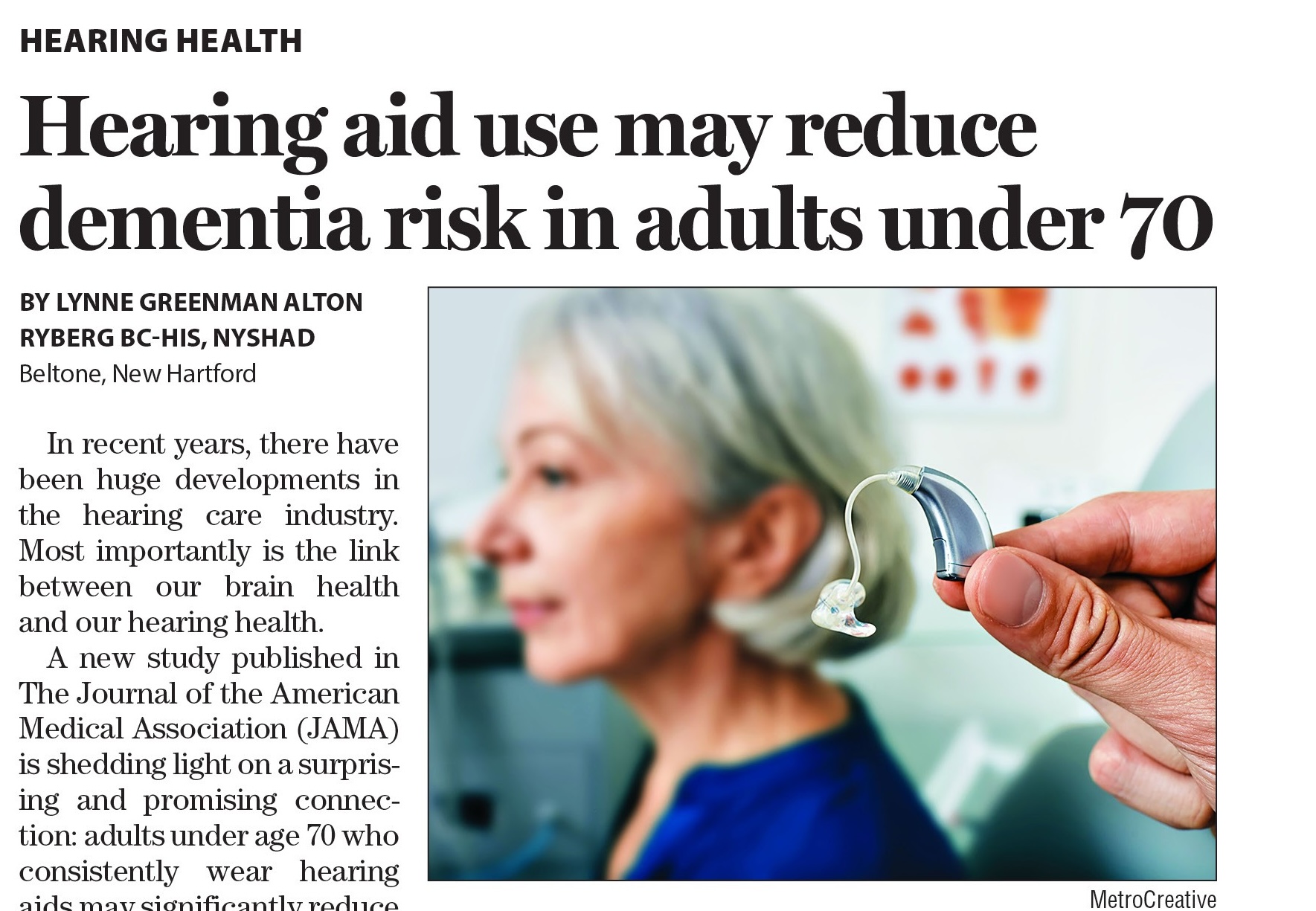
When Tinnitus Disrupts Daily Life: How One Flemington Specialist Helps Patients Regain Control
Michael Gordon of Beltone in Flemington, NJ talks about the effects of Tinnitus, and how to take back control of your life. He has many useful approaches and good advice for his patients as far as how to effectively manage and treat tinnitus.
Hearing loss a risk factor for dementia: by Cathy Nester, Beltone LaVale MD
Hearing loss is a significant risk factor for dementia, and the relationship between the two conditions is complex and not fully understood. Several mechanisms may explain how hearing loss increases the risk of dementia.
Hearing aids linked to reduced dementia risk – Kelly Degryse Spearfish SD
SPEARFISH — A new study, published in JAMA Neurology, linked the use of hearing aids to a decreased risk of developing dementia.
There is a known link between age-related hearing loss and the development of dementia. This study examined whether hearing aid use could help reduce the risk of cognitive decline and memory loss.
Hearing Loss and Dementia’s Tie – by Katie Stickel, Beachwood OH
Did you know our brains and our ears are directly correlated with each other? Many do not. Recent studies show that patients under 70 who have hearing loss and are treating it with devices may reduce their risk for dementia by 61” over 20 years, according to JAMA.
Carrie Sousa Discusses the Hearing Loss–Dementia Connection with NBC Bay Area
A recent study has pointed to a possible link between hearing loss and dementia risk, and Carrie Sousa explains the implications. She discusses how untreated hearing loss may put added stress on the brain, and how this affects memory and cognitive processing, and how withdrawal from social situations due to hearing suffers can also contribute to decline. Carrie emphasizes that even mild hearing changes should be addressed – early screening and the appropriate use of hearing instruments are necessary to help keep the brain healthy and to ultimately maintain quality of life.
Leonard Kramer on Hearing Loss Warning Signs
Hearing Care Practitioner Leonard Kramer outlines the initial indicators of hearing loss, what the research indicates regarding Dementia and Alzheimer’s Disease, and suggestions you can implement to assist in maintaining long-term cognitive well-being. He states the critical things to consider before seeking treatment for hearing loss are the frequency of repeating phrases heard from others and difficulty having respectful conversations with others around you. Most importantly, he states: “The earlier you begin testing for hearing impairments, the better your chances of successful advancement.” At Beltone University Place, hearing care providers offer complimentary testing for hearing problems along with personalized education regarding how hearing devices can enhance the overall health of your brain. Although using hearing devices will not heal your hearing impairment, as well as dementia, they do help to greatly decrease the severity and magnitude of your problem as it continues.
Elaine Backman on the Strong Link Between Hearing Loss and Dementia with Fox 5
A recent study reveals a surprising relationship between dementia and hearing loss, and Elaine Backman shares what that means for everyday health. She explains how untreated hearing loss requires the brain to work harder at interpreting sounds—taking mental energy away from processing memory and thinking, possibly accelerating cognitive decline. Elaine reinforces that even mild hearing loss should be taken seriously, and shares how hearing aids can reduce social isolation, ease engagement with your surroundings, and prevent mental decline when intervening early. These findings point to the importance of regular hearing assessments, treating hearing loss, and gaining helpful housing information as part of preserving brain health.
Ashley Teti, Washington Post-Gazette
According to a new study, It is possible that 32% of dementia cases in older adults may be attributable to hearing loss. Hearing & Balance Center of Pittsburgh, which provides hearing care, mentions that “having untreated hearing loss requires the brain to work overtime, to be less socially engaged, and may speed up their cognitive decline.” The provider recommends early hearing testing and intervention to protect both hearing and brain health.
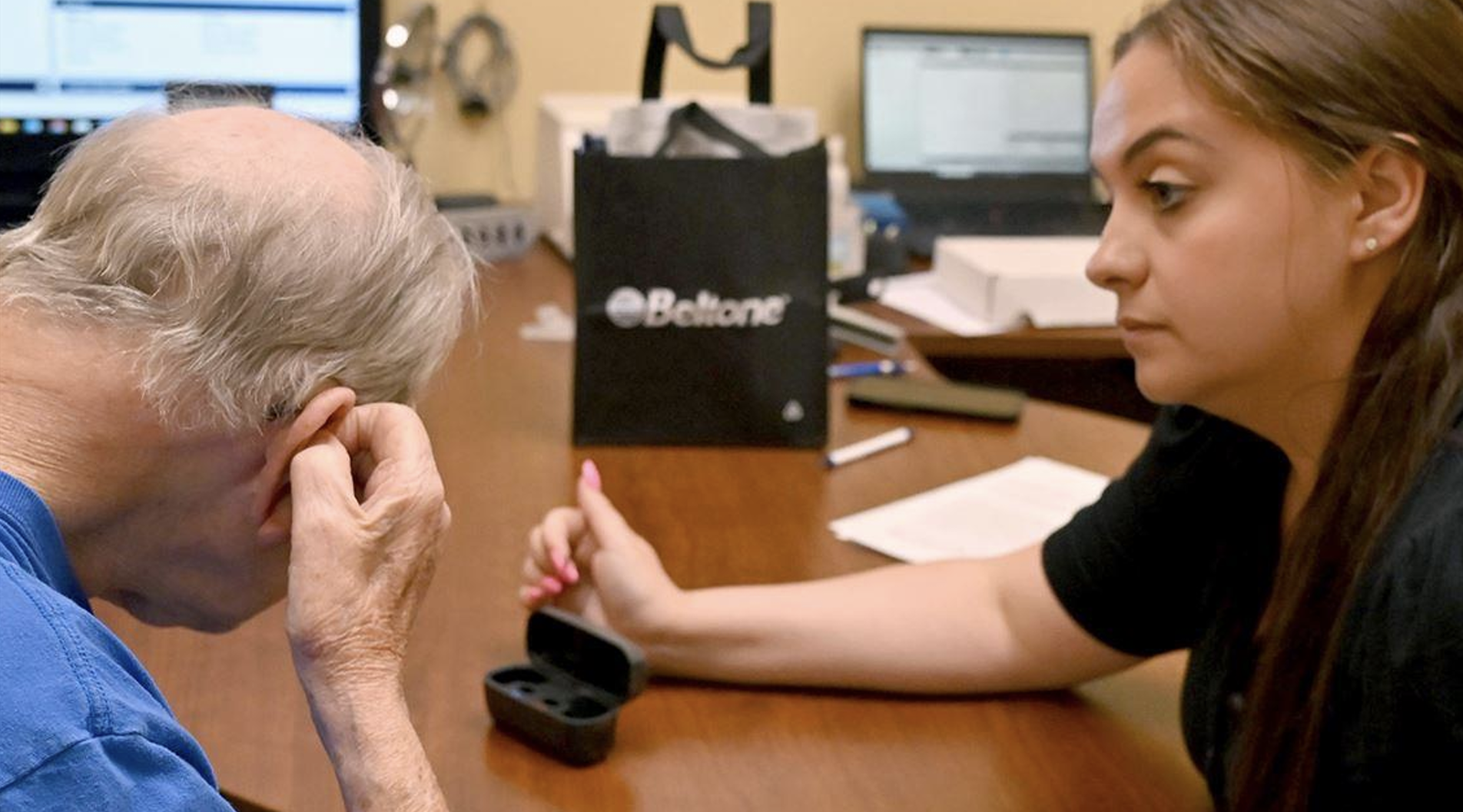
Amber Gillespie, Beltone Fairmont with Times West Virginian:
An article in the Times West Virginian has written on a recent study showing that hearing aids can significant decrease dementia risk in people with hearing loss. The findings imply that addressing hearing loss early contributes to reducing cognitive load and social withdrawal, which are both associated with dementia, suggesting that hearing-aid use is a useful public health strategy for brain health.
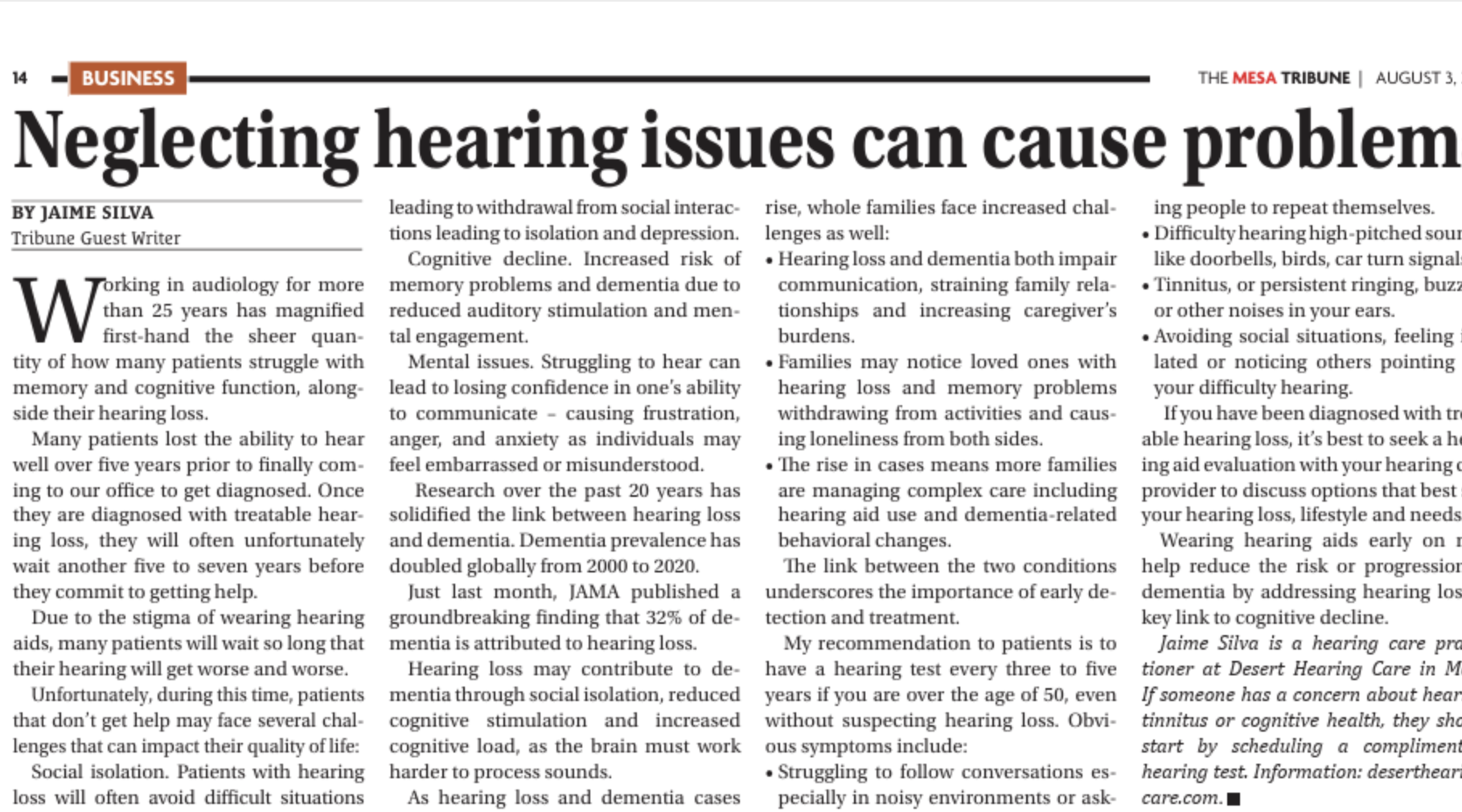
Jaime Silva “Neglecting hearing issues can cause problems”
Hearing care specialist Jaime Silva states that individuals with untreated hearing loss are at risk for social isolation, depression, and greater incidence of dementia. Many people put off seeking care for years because of stigma, and in the meantime their hearing, and general health, gets worse. One-third of dementia cases are related to hearing loss, research indicates. Silva encourages adults over age 50 to receive a hearing test every few years, and to seek early treatment with hearing aids when hearing loss is diagnosed for the protection of their hearing and cognitive health.
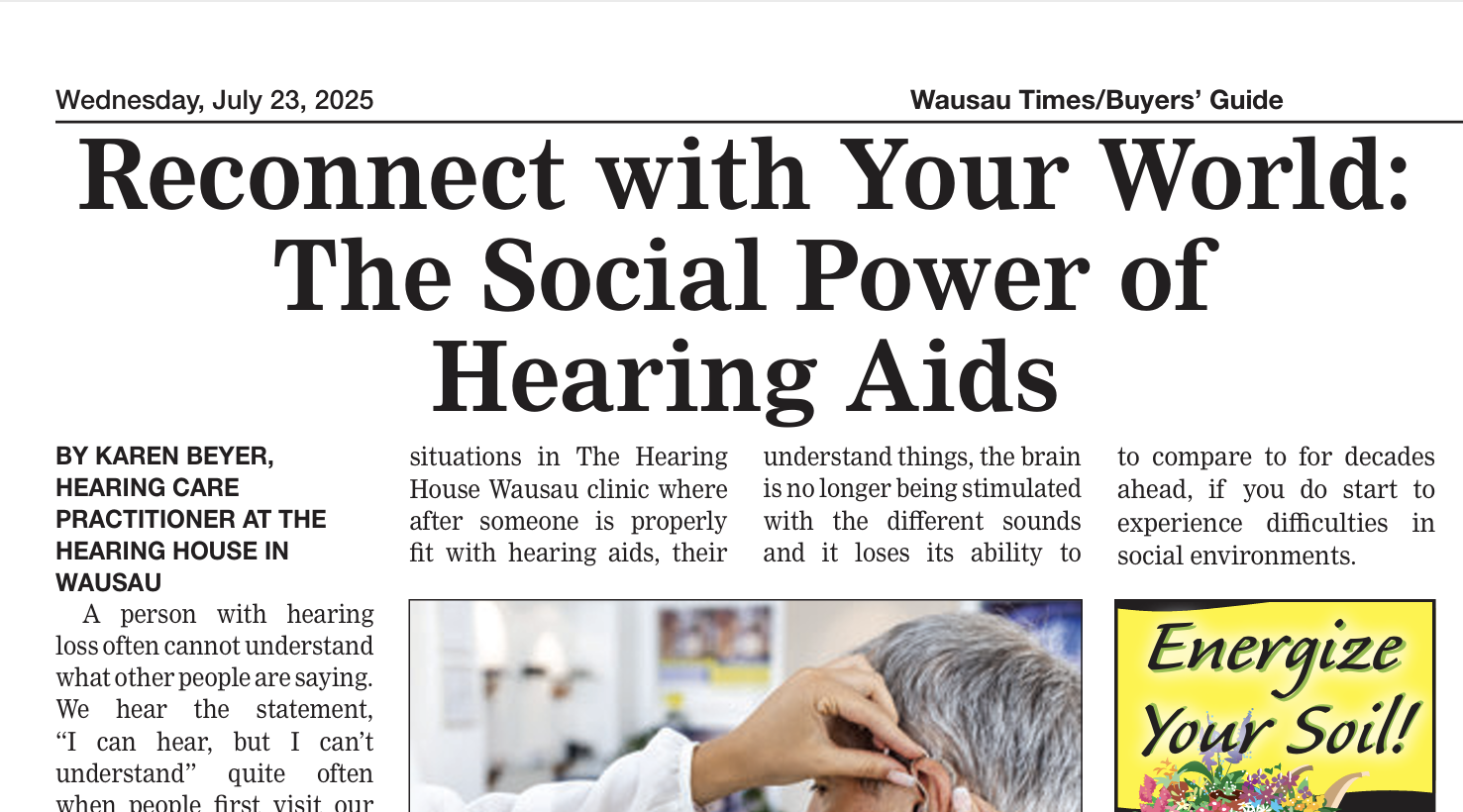
Karen Beyer: Reconnect with your world
Karen Beyer, a hearing care professional, discusses how hearing loss that isn’t treated can often lead to social isolation and they even have found a direct relationship with dementia. Individuals often withdraw from conversation or activity just because they cannot understand others. The person struggling may not communicate that they are having trouble hearing, instead will silently withdraw. However, once fit with hearing aids, individuals regain confidence, reengage in leisure activities, and restore social relationships. Modern hearing aids are very sophisticated and help people stay connected and mentally engaged by automatically adjusting to the surrounding environment. Beyer encourages everyone to have regular hearing tests so they can preserve their hearing and health of their brains.
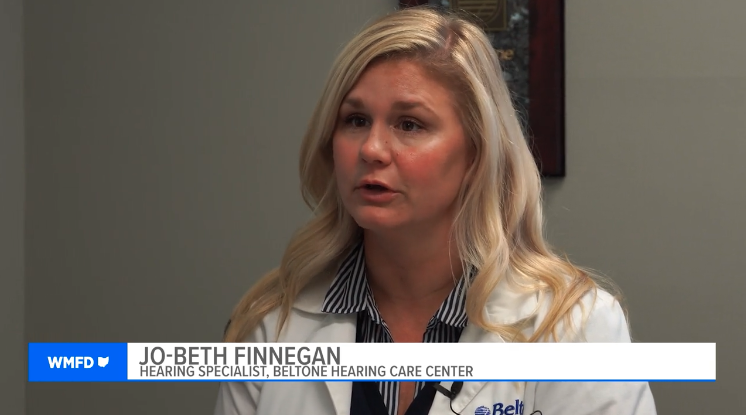
JoBeth Finnegan, WMFD
Summary: A hearing-aid specialist from Hearing Specialists of Ashland in Ashland, speaking to WMFD, spoke about the strain untreated hearing loss puts on the brain and how it can lead to social isolation — both of which are very significant risk factors for Dementia. The hearing-aid specialist urged people to get their hearing tested early on and getting hearing aids is extremely beneficial to reduce cognitive load being placed on the brain and promote brain health & cognitive load and promote brain health & cognitive load and promote brain health.
Jared Teter on the Link Between Hearing Health and Brain Health with KKTV 11
Research indicates that if hearing loss is treated, it may help delay the onset of dementia. Our own Jared Teter shares his thoughts on this important issue. In the video, Jared discusses how treating hearing loss — through hearing aids or other interventions, such as counseling — made earlier in life, can result in less cognitive load, and help maintain brain health over the long term. Jared discusses both memory loss and loneliness as two risk factors for earlier dementia, which are exacerbated by untreated hearing loss. There is considerable research on the impact of hearing health on cognitive health; thus, Jared stresses the importance of permanent hearing tests and intervention (when needed) to promote brain health and health in general.
Karen Beyer Talks About the Connection Between Hearing Loss and Dementia with ABC 9
New research suggests a strong relationship between hearing loss and dementia, and in this video, Karen Beyer, our in-house expert, will offer insights on what all of this might mean for you in practice. Karen explains how untreated hearing loss could increase the burden on the brain, and therefore potentially increase the risk of dementia, and that using hearing aids might help reduce this burden if they are used on time. With her extensive knowledge and experience in hearing care, Karen insists on the importance of screening and early intervention— a simple message that connects the science and protects people’s cognitive health by taking action.
Jared Teter on the Link Between Hearing Health and Brain Health with Denver 7 ABC
Dr. Jared Teter of Beltone Hearing was featured on Denver 7’s Mile High Living to discuss the growing situation of hearing loss and how crucial it is for individuals to become screened for hearing loss. He discussed how listening to him and getting a screening early can significantly impact one’s ability to have a good quality of life and overall hearing health.