The start of a new year is a great time to assess your health. Many people focus on fitness, nutrition, or stress management—but hearing health is often overlooked.

Hearing plays an important role in daily life. It affects how you communicate, stay aware of your surroundings, and connect with the people around you. Because hearing changes typically happen gradually, it’s easy not to notice small shifts until they start impacting everyday moments.

As 2026 approaches, a few simple, proactive steps can help protect your hearing and support better listening year-round. Whether you already wear hearing aids or are beginning to notice subtle changes, these five tips can help you stay connected and confident.

1. Make Hearing a Regular Part of Your Health Routine

Many people think of hearing tests when communication becomes difficult. In fact, regular hearing check-ups are most beneficial when conducted before issues become disruptive.

Hearing can change slowly over time. You might hear fine in quiet settings but struggle in background noise, meetings, or social gatherings. A hearing evaluation provides a clear picture of how your hearing is functioning today and creates a reference point for the future.

If you already wear hearing aids, regular follow-ups are just as important. Hearing needs can evolve, and modern hearing technology—like many Beltone hearing aids—can often be fine-tuned or updated to match your current listening environments better.

A hearing test is simply an opportunity to stay informed and proactive about your hearing health.

2. Notice When Listening Feels More Tiring Than It Used to

Hearing loss doesn’t always mean sounds disappear. Often, people still hear sounds but struggle to understand speech clearly, especially in noisy situations.

Common signs of listening fatigue include:

  • Feeling mentally drained after conversations
  • Often asking others to repeat what they have said
  • Turning up the TV or phone volume more often
  • Avoiding social situations because they feel exhausting

These changes are easy to overlook or blame on stress or aging. However, they can indicate that your brain is working harder than it should to process sound.

Today’s hearing technology is designed to reduce listening effort by improving speech clarity and managing background noise. Addressing listening fatigue early can make conversations more comfortable and enjoyable again.

3. Protect Your Hearing From Everyday Noise

Noise exposure is one of the most common causes of hearing damage, and it can affect people of all ages. Loud sounds don’t have to be constant to cause harm—repeated exposure adds up over time.

Every day, sources of potentially harmful noise include:

  • Sporting events and concerts
  • Power tools and lawn equipment
  • Group fitness classes with loud music
  • Extended use of headphones or earbuds at high volume

Simple habits can help protect your hearing:

  • Lower the volume when possible
  • Take breaks from noisy environments
  • Use hearing protection when appropriate

Protecting your hearing now helps preserve your ability to hear clearly in the years ahead.

4. Keep Hearing Aids and Ears in Top Shape

If you wear hearing aids, regular care plays a big role in performance and comfort. Even small issues—such as debris buildup or outdated settings—can affect sound quality.

Helpful habits for hearing aid users include:

  • Regularly cleaning devices
  • Replacing filters and domes as advised
  • Keeping software up to date
  • Scheduling routine adjustments

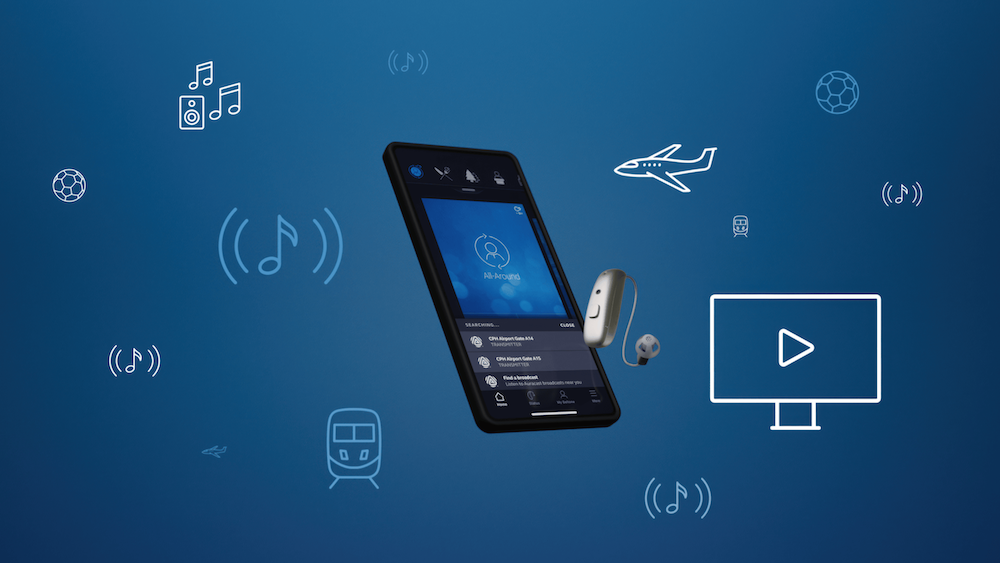
Many hearing aids include advanced features like rechargeable batteries, smartphone connectivity, and personalized sound settings. Keeping devices properly maintained ensures you continue to get the most benefit from these tools.

For those who don’t wear hearing aids, ear health is still important. Wax buildup or improper cleaning can interfere with hearing and comfort. Professional guidance is always safer than attempting home remedies.

5. Understand How Hearing Health Supports Overall Well-Being

Hearing health is closely connected to more than just sound. It supports communication, balance, mental engagement, and social connection.

When hearing challenges go untreated, people may begin to withdraw from conversations or avoid social activities. Over time, this can affect confidence, relationships, and quality of life.

Prioritizing hearing health in 2026 supports more active participation in everyday moments—from family gatherings to phone calls and community events. Better hearing helps you stay involved, informed, and connected.

Looking Ahead With Confidence

You don’t need to wait until hearing becomes a major problem to take action. You also don’t need to be certain that something is wrong to start the conversation.

Sometimes the best first step is simply asking a question.

If any part of this article sounds familiar, Beltone is here to help. Our hearing care professionals can answer questions, provide guidance, and help you explore solutions designed to fit your lifestyle and hearing needs.

As the new year begins, small steps today can lead to clearer hearing and stronger connections throughout 2026.