7 Everyday Signs Your Hearing May Be Changing
Hearing doesn’t usually change all at once. For most people, it happens

By: admin | January 19, 2026
Cold weather brings its own set of challenges when you wear hearing aids, and it’s not just about staying warm.
Hearing aids are small electronic devices that rely on batteries, delicate components and moisture control to work properly, and all of those things can be affected by dropping temperatures, wind and the shift between cold outdoor air and warm indoor spaces.
You might notice your hearing aids draining faster on cold days, producing distorted sound or even shutting off unexpectedly when you’re outside. These issues aren’t signs that your devices are broken.
They’re often just a response to the conditions they’re operating in, but they can still disrupt your day if you’re not prepared for them.
Taking a few simple precautions means you can go about your routine without worrying whether your devices will hold up when you need them most.
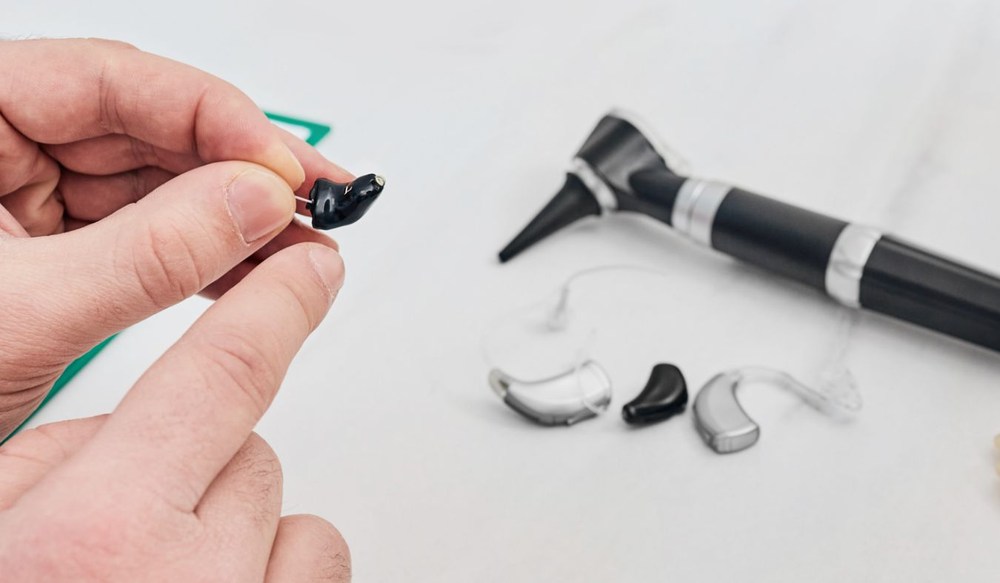
At their core, hearing aids are designed to do something fairly straightforward: pick up sounds around you, make them louder and clearer, and deliver them into your ear.
They start with a tiny microphone that captures sound waves from your environment, whether that’s someone talking to you, music playing in the background or the hum of traffic outside.
Once the microphone picks up these sounds, the signal travels to a processor, which is essentially a small computer inside the device. This processor analyzes the incoming sound and adjusts it based on your specific hearing needs.
After the sound is processed and adjusted, it moves to the speaker, which sits inside or near your ear canal and delivers the amplified sound directly to your eardrum. From there, your ear works the same way it always has, converting those sound waves into signals your brain can understand.
Modern hearing aids do all of this in fractions of a second, so there’s no noticeable delay between when someone speaks and when you hear them. The entire system runs on a small battery, which can be either disposable or rechargeable depending on your model.
Hearing aids work best when they’re kept in conditions that are comfortable for humans, which makes sense given that they’re designed to be worn on your body most of the day.
The ideal temperature range is roughly the same as what you’d find in a typical indoor space, between 50-85 degrees Fahrenheit. Extreme heat can damage internal components, drain batteries faster and even warp the casing of your devices. Extreme cold, on the other hand, can cause condensation when you move between outdoor and indoor spaces, which introduces moisture into areas where it shouldn’t be.
Batteries also lose their charge more quickly in cold weather, which is why you might notice your hearing aids dying faster on winter days. Keeping your devices at a moderate temperature means they’ll function reliably and last longer.
Moisture is one of the biggest threats to hearing aid performance. These devices contain sensitive electronics that don’t tolerate water, humidity or sweat very well. Even though many modern hearing aids are water-resistant, that doesn’t mean they’re waterproof.
Storage also plays a role in how well your hearing aids hold up over time. When you’re not wearing them, they should be kept in a safe, dry place where they won’t get knocked around, stepped on or exposed to dust and debris. Many people use a protective case or a charging station that doubles as storage.
The better you care for the environment your hearing aids live in, the more consistently they’ll perform in the environments where you actually need to hear.
Cold air can affect your hearing aids in several ways. Batteries tend to drain faster in low temperatures, so your devices might not last as long throughout the day. Moisture from snow, rain or even your breath can seep into your hearing aids, causing static, muffled sound or unexpected shut-offs. Parts of the device may also become stiff or brittle in freezing weather.
Being aware of these potential issues helps you understand why your hearing aids may behave differently in winter. Taking simple precautions to shield them from the cold and damp can help maintain their performance.
During winter, the shift between cold outdoor air and warm indoor spaces leads to more condensation inside your hearing aids. This buildup can interfere with sound quality or even stop your devices from working until they dry out. Moisture is a common concern during the colder months, making it important to take steps to minimize its effects.
Water droplets form inside your hearing aids when warm, moist air meets the cooler surfaces of your devices, often as you move between outdoor and indoor environments.
Even small amounts of moisture from sweat, rain or snow can enter through tiny openings and collect inside. Over time, this trapped water can disrupt the electronics and reduce how well your devices function.
Moisture can affect hearing aids more than most people realize. Even small amounts of humidity, sweat or rain can interfere with how your devices work, leading to changes in sound quality or unexpected interruptions. Being aware of the signs that moisture may be causing problems can help you address issues early and keep your devices performing as they should.
You might notice moisture-related issues in a few common ways:
Wind and snow can both impact how well your hearing aids work, especially during outdoor activities. Wind may create whistling or rushing sounds, making it harder to follow conversations. Snow can melt and allow moisture to enter your devices, resulting in weak sound or sudden shut-offs.
If you experience whistling or static noises outside, notice moisture on or inside your hearing aids after being in the snow, or have trouble understanding speech in windy conditions, these are signs that weather is affecting your devices.
If your hearing aids get wet or feel damp, acting quickly can help prevent long-term problems. Follow these steps:
If you do not have a drying kit, letting your devices air out in a warm, dry room is helpful. These steps help keep your hearing aids working well after exposure to moisture during cold weather.
Drying kits and dehumidifiers are effective tools for removing moisture from hearing aids during cold or damp weather. These products draw out water that can collect inside your devices, helping to prevent issues with sound quality or battery life.
Most drying kits use special beads or materials that absorb moisture overnight while your hearing aids are stored inside. Using a dehumidifier designed for hearing aids is a simple way to keep them dry after exposure to rain, snow or condensation.
Cold weather can affect both your comfort and how well your hearing aids perform. When your ears get cold, it can make them feel numb and even reduce how effectively your devices pick up sound. Taking a few simple steps to stay warm helps you enjoy outdoor activities without compromising your hearing experience.
Some practical ways to protect your ears and hearing aids in the cold include:
You may notice that hearing aid batteries need to be changed more often as temperatures drop. Low temperatures slow down the chemical reactions inside batteries, causing them to lose power faster.
If your hearing aids shut off earlier in the day or new batteries do not last as long as they did in warmer months, winter conditions may be affecting battery life. You might also see a warning light or hear a low-battery alert more frequently during cold spells.
Replacing batteries more often in winter means keeping extra ones on hand and storing them somewhere warm and dry. Paying attention to these changes helps prevent unexpected shut-offs and keeps your hearing aids working reliably throughout the season.
Cold weather can sometimes cause temporary changes in how hearing aids perform, but certain signs mean it is time to reach out to a hearing specialist.
If your devices are consistently producing distorted sound, cutting in and out or failing to turn on despite taking normal precautions, it could indicate moisture or cold-related issues that need professional attention. Waiting too long may lead to more serious problems or damage to your hearing aids.
Other reasons to contact a professional include persistent feedback, unusual buzzing or static, or difficulty controlling buttons and settings due to cold or stiff components.
A hearing specialist can check your devices for moisture, ensure they are functioning properly and provide guidance on how to protect them in cold weather. Seeking help promptly helps maintain sound quality and ensures your devices continue to support your hearing reliably, even in colder temperatures.
Understanding how cold weather affects your hearing aids helps you stay prepared and maintain reliable performance. Simple steps like keeping your devices and batteries warm, protecting them from moisture and giving your ears extra care when you’re outside can prevent interruptions and make daily activities easier. Paying attention to how your hearing aids respond in different conditions allows you to take action before small issues turn into bigger frustrations.
If you notice persistent problems or want guidance on protecting your devices during colder months, reaching out to a hearing specialist can provide peace of mind. You can contact Beltone Hearing Care Center at https://beltonesound.com/contact/ today to get personalized advice and support, ensuring your hearing aids continue to work effectively no matter the weather.

Hearing doesn’t usually change all at once. For most people, it happens
By: admin | September 9, 2026

Understanding Ototoxicity and Its Warning Signs Medications are crucial in
By: admin | July 28, 2026

When you schedule a hearing test, you’re probably thinking about the
By: admin | July 26, 2026